Industries: Materials
Turn credible environmental material data into competitive advantage.
Measure product and operational impacts, give customers clearer evidence and identify practical reduction opportunities – using accurate, activity-based data built for material manufacturers and suppliers.











































Material businesses need better environmental data
Customers, procurement teams and regulators increasingly expect credible evidence of material impact. Yet feedstocks, recycled content, processing, energy, supplier inputs and transport can vary by grade, site and product – making consistent footprint data difficult to produce and maintain.
CarbonQuota replaces generic averages and fragmented spreadsheets with defensible environmental intelligence that connects materials, manufacturing, supply chains and customer reporting.
Report faster
Provide consistent material and product footprint information without rebuilding calculations for every customer, grade or specification.
Improve products and processes
Identify hotspots across raw materials, recycled inputs, manufacturing, energy and transport to focus improvement where it matters.
Differentiate with evidence
Use transparent, defensible data to strengthen specifications, tenders, product development and carefully substantiated environmental claims.
How CarbonQuota helps
Environmental intelligence at every level.
Material and product environmental footprints
Measure individual materials, grades and finished products using activity-based lifecycle data. Compare alternatives, support customer decisions and create credible evidence for product claims.
Operational environmental footprints
Establish a credible Scope 1, 2 and 3 baseline across manufacturing sites and operations, identify emissions hotspots and track progress over time.
Scalable environmental calculations
Use CarbonQuota’s cloud platform, bulk-data workflows or integrations to calculate and manage footprints across material ranges – reducing manual work and creating consistent outputs at scale.
Customer Story
Product Carbon Footprint validation for Dufaylite: Turning verified material data into competitive advantage
Dufaylite needed credible evidence of the environmental performance of its paper honeycomb board liners. CarbonQuota completed a cradle-to-grave lifecycle assessment covering raw materials, manufacturing, transport, use and end-of-life.
The independently validated comparison gave brands and packaging specifiers clearer evidence for selecting lower-carbon insulation materials.
The results
50-70% lower CO2e than expanded polystyrene
35-60% lower CO2e than lamb’s wool insulation
Stronger evidence for tenders, product positioning and customer reporting
“Sustainability and innovation go hand in hand. CarbonQuota’s independent validation gives us credible evidence of measurable progress towards Net Zero.”
Ashley Moscrop, Managing Director, Dufaylite

Materials expertise meets robust environmental data
CarbonQuota combines materials and manufacturing knowledge, robust environmental methodology and scalable technology. Calculations reflect how materials are sourced, formulated, processed, transported, used and managed at end-of-life.
- Activity-based rather than generic spend-based calculations
- Material, product, operational and supply-chain environmental intelligence
- Flexible cradle-to-gate, cradle-to-customer and cradle-to-grave boundaries
- Cloud, bulk-data and integration options
- Transparent outputs supported by traceable data and recognised methodology
Resources
Five ways credible product footprint creates competitive advantage
Explore how manufacturers can use product carbon data to win business, uncover hotspots, improve decisions and strengthen customer evidence.
Read the article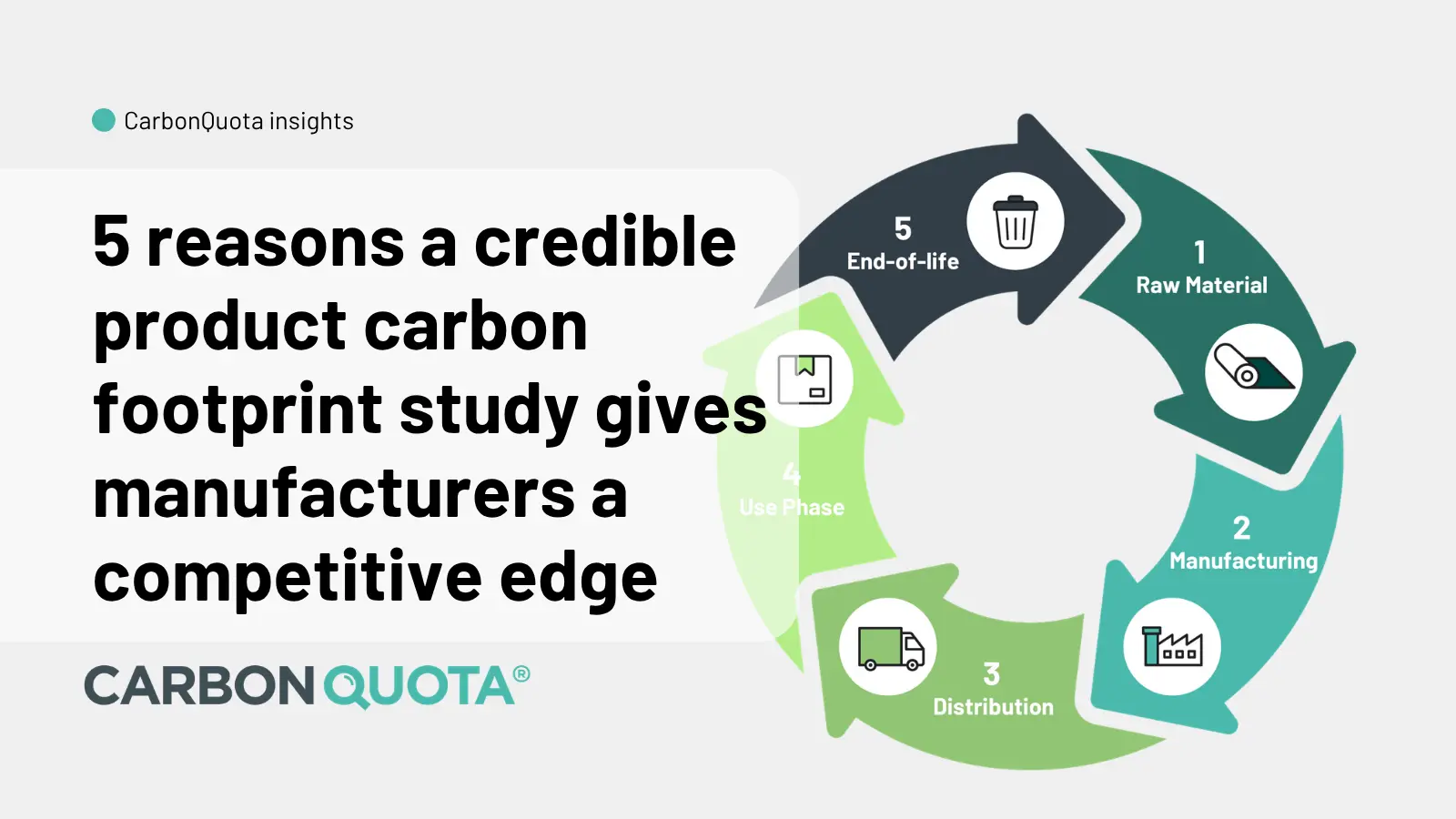
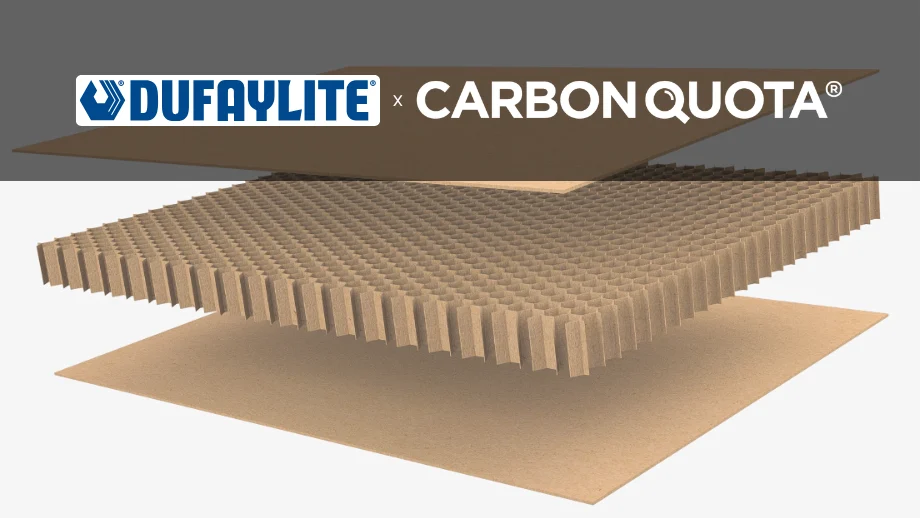
How Dufaylite turned material sustainability into proven advantage
See how independent lifecycle assessment gave customers quantified comparative evidence for paper honeycomb liners.
Read the articleFAQs
How does CarbonQuota calculate the footprint of a material?
Which material lifecycle stages can be measured?
Can different materials, grades or formulations be compared?
Can recycled content and multiple suppliers be modelled?
Can footprint data be shared with customers?
Can the approach scale across a material portfolio?
Still have more questions?
Contact usTurn material data into commercial advantage
Give customers credible product evidence, improve material and process decisions, and build a practical route to lower-impact manufacturing.
