For print and packaging manufacturers, a Product Carbon Footprint study is not just a sustainability exercise. It is a practical business tool for winning work, improving decision making, building credibility and stronger customer confidence.
In a sector where emissions vary significantly by material, specification, production process and logistics model, product-level carbon data gives manufacturers a far clearer picture of where environmental impact sits and also what to do about it. That makes a Product Carbon Footprint study valuable not only for reporting, but for commercial, operational and strategic reasons too.
A Product Carbon Footprint study helps provide the evidence behind those answers, making it easier to support tenders, respond to procurement requests and strengthen trust with existing accounts.
1. Win more business and protect customer relationships
Your customers increasingly want more than broad sustainability statements. They want credible, product-specific carbon data they can use in procurement, reporting and supplier evaluation.
For print and packaging manufacturers, that means being able to answer questions about the footprint of a product – from cartons to labels or books to displays – with confidence.
A Product Carbon Footprint study helps provide the evidence behind those answers, making it easier to support tenders, respond to procurement requests and strengthen trust with existing accounts.
In a competitive market, suppliers that can provide clear, defensible product-level data are in a stronger position than those relying on general claims or rough estimates.
2. Pinpoint emissions hotspots and prioritise action
As you know, print and packaging products are shaped by a complex mix of raw materials, inks, coatings, adhesives, processes, energy use and transport. Without a product-level study, it is easy to make assumptions about where the biggest environmental impacts sit and focus effort in the wrong place.
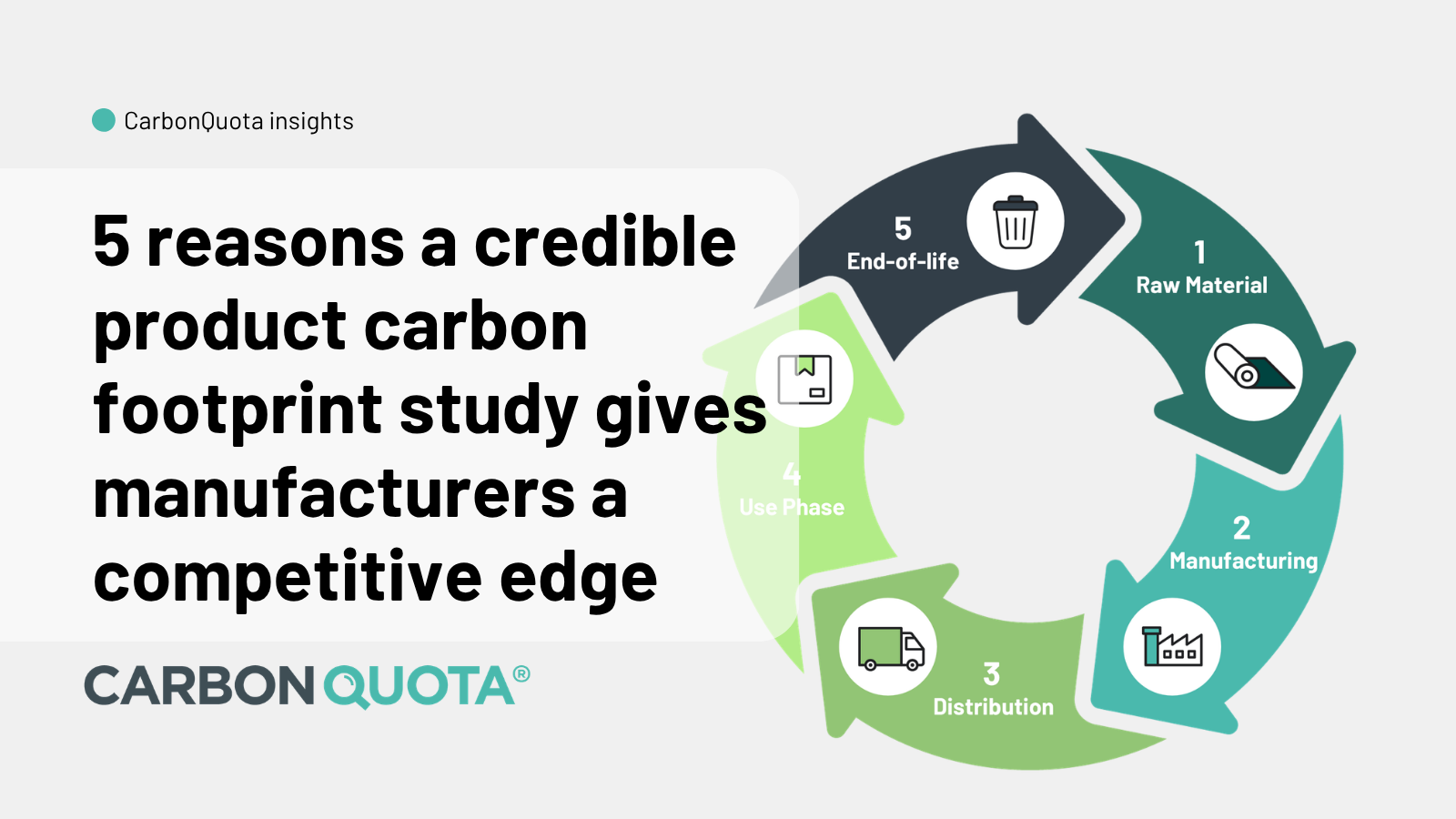
A Product Carbon Footprint study brings clarity. It shows where emissions are concentrated across the lifecycle of a product, helping businesses identify the biggest hotspots and target improvement efforts more effectively.
That means carbon reduction becomes more practical and commercially relevant. Instead of broad, unfocused initiatives, manufacturers can prioritise the changes most likely to reduce impact, improve efficiency and support margin.
A Product Carbon Footprint study provides a stronger evidence base for customer submissions, tender responses, sustainability reporting and product-related claims.
3. Strengthen reporting, tenders and audit readiness
As customer requests increase – and environmental claims come under more pressure – manufacturers need data that is robust, consistent and explainable.
We know from working closely with packaging manufacturers like Dufaylite that a Product Carbon Footprint study provides a stronger evidence base for customer submissions, tender responses, sustainability reporting and product-related claims. It helps ensure that figures are based on a clear methodology, with transparent assumptions and boundaries, rather than generic averages, unsupported estimates or unsubstantiated claims.
That reduces risk and gives internal teams greater confidence when the same questions come up across different customers, products or audits.
4. Support better commercial and operational decisions
The value of product-level carbon data goes far beyond reporting. It becomes far more useful when it informs business decisions.
A Product Carbon Footprint study can help teams evaluate materials, specifications, sourcing options, production routes and logistics choices with a clearer understanding of carbon impact. For print and packaging businesses, that can influence quoting, estimating, design choices and customer recommendations.
This is where sustainability starts to become commercially useful. Carbon data moves from being a retrospective reporting task to a decision-making tool that helps shape better products and smarter workflows.
Customers want transparency. Procurement teams want evidence. Brands want partners who can help them reduce emissions across the supply chain.
5. Build competitive advantage as expectations rise
Product-level carbon data is becoming a bigger part of how suppliers are assessed. Customers want transparency. Procurement teams want evidence. Brands want partners who can help them reduce emissions across the supply chain.
Manufacturers that build this capability now are in a stronger position to respond quickly, tell a more credible sustainability story and differentiate themselves in the market. They are also better prepared for a future in which product-level carbon data is likely to become a more standard part of procurement and compliance expectations.
In that sense, a Product Carbon Footprint study is not just about measuring emissions. It is about building capability that can strengthen market position over time.
For print and packaging manufacturers, a Product Carbon Footprint study delivers benefits that go well beyond sustainability reporting. It can help win business, uncover hotspots, strengthen evidence, improve decision-making and create competitive advantage.
The real value lies in turning carbon data into something practical: a tool that helps manufacturers answer customer questions with confidence, make better operational choices and compete more effectively in a market where transparency matters more than ever.
At CarbonQuota, we specialise in helping manufacturers like you take the complexity out of carbon footprints.
At CarbonQuota, we specialise in helping manufacturers like you take the complexity out of carbon footprints. Our automated solutions deliver accurate, material-specific data directly into your workflow – so you can focus on what you do best: creating signs that make an impact!
Learn more about a CarbonQuota Product Carbon Footprint
Contact our team to explore how we can help your business turn credible sustainability data into a competitive differentiator.