Alongside traditional demands for creativity, durability, and cost efficiency, customers are increasingly asking signage manufacturers for sustainability data.
Businesses commissioning signs – whether for retail stores, offices or events – want to understand the environmental impact of their choices. For manufacturers, this means being able to measure and report the carbon footprint of products with confidence and credibility.
Yet for many sign manufacturers, carbon measurement is a daunting challenge.
The challenges of measuring Carbon Footprints
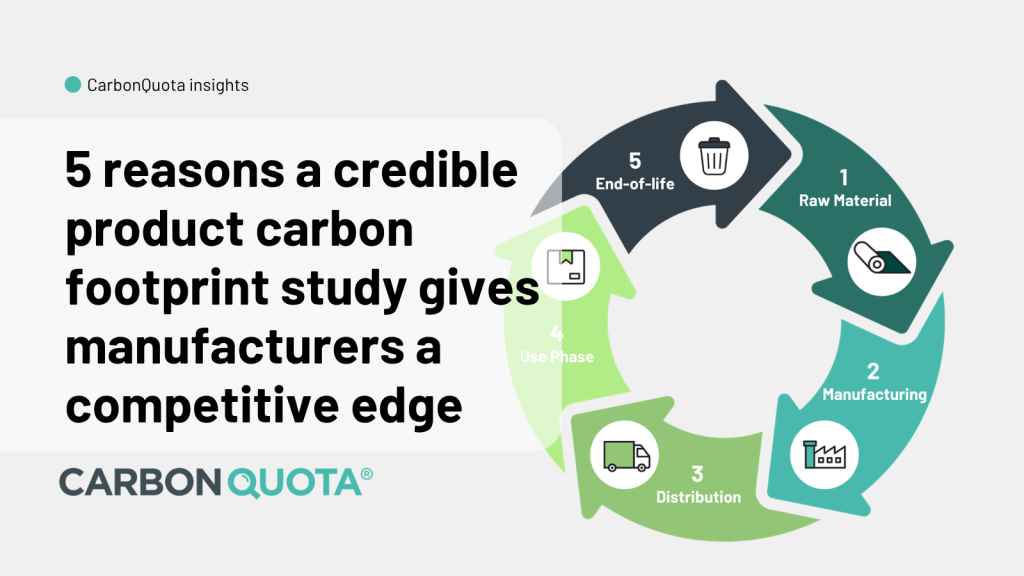
Every project is unique and complex – not just for its manufacturing profile, but also for quantifying its environmental perspective.Accurate carbon footprints requires lifecycle data – from raw material extraction through production, transportation, and disposal. Accessing and standardising this data is time-consuming and resource heavy, especially for smaller manufacturers without in-house sustainability teams.
Traditional carbon calculations often involve heavy reliance on manual processes – multiple spreadsheets, external consultants and manual data entry.
Traditional carbon calculations often involve heavy reliance on manual processes – multiple spreadsheets, external consultants and manual data entry. This not only slows down quoting and production, but also increases the risk of errors. For a fast-paced signage business, manual methods are simply impractical at scale.
Customers, regulators, frameworks and supply chains are setting higher standards. Corporate clients increasingly expect suppliers to provide carbon data at the product level. With end clients increasingly requiring suppliers to comply with frameworks as diverse as EcoVadis, B Corp, CDP, the Science Based Targets initiative or Sedex, verifiable numbers is becoming a competitive necessity. Regulations are also tightening, such as the EU’s Corporate Sustainability Reporting Directive (CSRD) forcing larger companies to ask for data from their suppliers.
Why automating carbon footprint measurement matters
Automation transforms what is typically a manual, resource-draining task into a seamless part of daily operations. For sign manufacturers, the benefits are clear.
Automated platforms, like CarbonQuota’s, calculate the carbon footprint of products in real-time, using verified datasets and robust methodologies. Whether you’re quoting for a vinyl banner, an aluminium sign tray, an acrylic display, or a composite product including electronics, the carbon impact is delivered instantly – also taking into account other materials, adhesives, chemicals and packaging.
Automation allows you to see how different material choices affect emissions. This gives customers the ability to compare options – choosing a lower-carbon alternative without compromising design or quality. It also helps manufacturers identify hotspots in production and explore reductions.
Automation allows you to see how different material choices affect emissions. This gives customers the ability to compare options – choosing a lower-carbon alternative without compromising design or quality. It also helps manufacturers identify hotspots in production and explore reductions.
Through seamless integration, carbon data can be embedded directly into quoting and job management systems – including Clarity, PrintIQ, Printvis and many others. This removes the need for additional steps, ensuring sustainability insights are part of everyday workflows rather than an extra burden.
Offering transparent, product-level carbon data builds credibility with clients. It demonstrates your commitment to sustainability and sets you apart from competitors who can’t provide the same level of detail.
With regulation tightening, automated systems provide an audit-ready trail of data. This helps manufacturers stay compliant and avoid accusations of greenwashing.
Turning sustainability into an advantage
While measuring product carbon footprints can seem complex, automation makes it simple, reliable and scalable. By integrating automated carbon measurement into your processes, you can not only meet client expectations but also gain a powerful competitive advantage.
Through seamless integration, carbon data can be embedded directly into quoting and job management systems – including Clarity, PrintIQ, Printvis and many others. This removes the need for additional steps, ensuring sustainability insights are part of everyday workflows rather than an extra burden.
At CarbonQuota, we specialise in helping manufacturers like you take the complexity out of carbon footprints. Our automated solutions deliver accurate, material-specific data directly into your workflow – so you can focus on what you do best: creating signs that make an impact!
Contact our team to explore how we can help your business turn a challenge into a competitive differentiator.